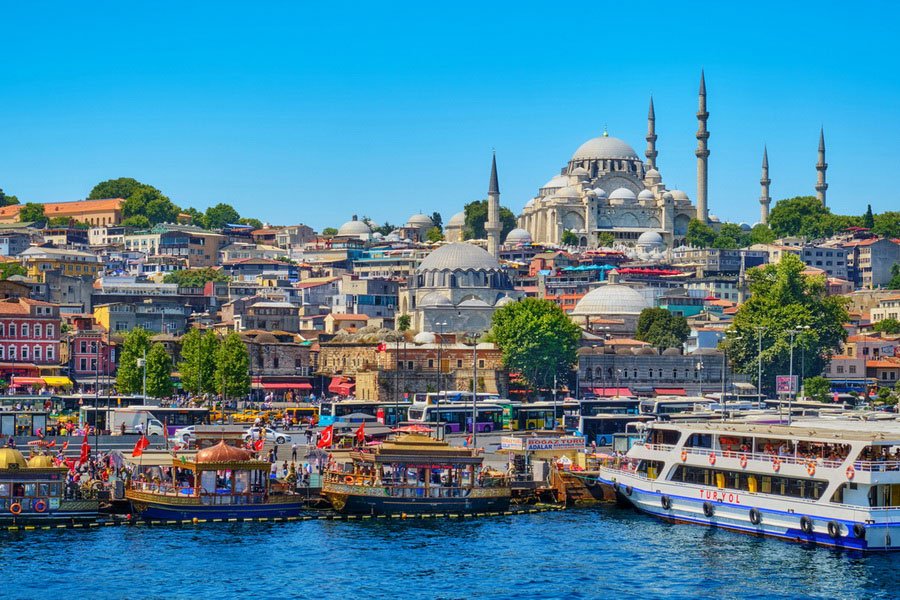
Turkey feels like stepping into a living storybook, where ancient ruins whisper tales of empires, and vibrant bazaars burst with the scent of spices and the hum of life. I’ll never forget my first trip in 2023, getting blissfully lost in Istanbul’s Grand Bazaar, haggling over a $5 scarf while sipping free apple tea from a grinning vendor. From Cappadocia’s fairy-tale chimneys to Antalya’s turquoise coast, Turkey blends history, culture, and natural beauty into a trip that’s as affordable as it is unforgettable. This guide dives into everything you need to plan your Turkish adventure—top destinations, practical tips, and curated tours that won’t break the bank. Whether you’re chasing sunsets or baklava, let’s make your journey epic.
Why Visit Turkey in 2025?
Turkey’s unique position straddling Europe and Asia offers a cultural mosaic that’s hard to beat—think Roman ruins, Ottoman palaces, and modern beach resorts all in one trip. In 2025, stable lira rates make it budget-friendly, with a week costing $800–$2,000 per person. My friend’s recent Istanbul escape cost $1,200, including flights, proving you don’t need a sultan’s fortune to explore.
A Cultural Crossroads Like No Other
Istanbul’s Hagia Sophia and Cappadocia’s cave churches blend Christian and Islamic heritage, while Antalya’s beaches rival the Mediterranean’s best. Expect vibrant festivals in 2025, like Istanbul’s Tulip Festival (April), free to enjoy. I once stumbled into a street dance in Izmir—spontaneous and electric.
Budget-Friendly Appeal
Turkey’s costs are a steal compared to Western Europe—meals at $3–$10, hotels from $30/night. A weak lira means your dollars stretch further; my 2024 kebab feast for two was $8. Book early for savings, especially during shoulder seasons.
| Aspect | Turkey | Western Europe (e.g., Italy) |
|---|---|---|
| Daily Budget (pp) | $50–$100 | $100–$200 |
| Meal Cost | $3–$10 | $10–$25 |
| Hotel (per night) | $30–$80 | $80–$150 |
| Attraction Entry | $5–$15 | $15–$30 |
Pros and Cons of Visiting Turkey
Pros: Affordable, diverse landscapes, rich history. Cons: Crowds in peak summer; occasional language barriers. Still, a smile and Google Translate smoothed my way in rural Anatolia.
Best Time to Visit Turkey
Timing your trip shapes your experience—weather, crowds, and prices swing wildly. Spring (April–May) and fall (September–October) offer mild temps (15–25°C) and fewer tourists. I visited Cappadocia in October, ballooning over golden valleys without the summer crush.
Seasonal Breakdown
Spring brings blooming tulips; fall offers harvest festivals. Summer (June–August) hits 30°C+, ideal for coasts but packed. Winter’s quiet but chilly inland—my Istanbul December trip was cozy, with $20 hotel steals.
- Spring: Festivals, moderate prices, 15–22°C.
- Summer: Beach vibes, $50–$100 tours, hot.
- Fall: Harvest events, fewer crowds, 18–25°C.
- Winter: Budget deals, 5–15°C, some rain.
Weather vs. Cost Comparison
| Season | Avg Temp (°C) | Crowds | Cost Level | Best For |
|---|---|---|---|---|
| Spring | 15–22 | Medium | Medium | Sightseeing, festivals |
| Fall | 18–25 | Low–Medium | Low–Medium | Hiking, balloons |
| Summer | 25–35 | High | High | Beaches, nightlife |
| Winter | 5–15 | Low | Low | Budget city breaks |
Pros and Cons of Shoulder Seasons
Pros: Cheaper flights, thinner crowds—my fall Ephesus tour had no lines. Cons: Unpredictable rain; pack layers. Shoulder seasons balance cost and comfort perfectly.
Top Destinations in Turkey
Turkey’s diversity means every traveler finds their slice of paradise, from Istanbul’s buzzing streets to Pamukkale’s surreal terraces. My first Antalya swim felt like diving into a postcard—turquoise and warm. Here’s where to go for history, nature, and romance.
Istanbul: The Heartbeat of Turkey
Straddling two continents, Istanbul blends the Blue Mosque’s serenity with Taksim’s nightlife. Entry to mosques is free; Topkapi Palace costs $20. I got lost in Balat’s colorful alleys, snapping pics for free.
- Must-See: Hagia Sophia, Grand Bazaar.
- Budget Tip: Use ferries ($0.50) for Bosphorus views.
- Tour Option: Viator’s $50 city tour covers major sites.
Cappadocia: Fairy-Tale Landscapes
Hot air balloons over rock formations start at $150, but hiking Göreme’s valleys is free. Cave hotels run $40–$100/night. My dawn balloon ride in 2023? Pricey but a bucket-list memory.
- Must-See: Göreme Open Air Museum ($15).
- Budget Tip: Stay in Göreme for walkable trails.
- Tour Option: GetYourGuide’s $80 day tour includes caves.
Antalya: Coastal Gem
Kaleiçi’s old town and Düden Waterfalls are free to wander; beach resorts start at $50/night. I savored $5 seafood by the marina—fresh and unforgettable.
- Must-See: Hadrian’s Gate, Konyaaltı Beach.
- Budget Tip: Use local dolmuş ($0.50) for transport.
- Tour Option: Civitatis’ $60 boat tour hits islands.
Comparison: Istanbul vs. Cappadocia vs. Antalya
| Destination | Vibe | Avg. Daily Cost (pp) | Top Activity | Accessibility |
|---|---|---|---|---|
| Istanbul | Urban/Cultural | $60–$120 | Bosphorus cruise | Easy via IST airport |
| Cappadocia | Natural/Historic | $80–$150 | Balloon ride | Via Kayseri |
| Antalya | Coastal/Relaxed | $50–$100 | Beach day | Direct flights |
Getting Around Turkey
Turkey’s transport network is a budget traveler’s dream—buses, trains, and ferries connect cities affordably. My overnight bus from Istanbul to Cappadocia cost $20 and saved a hotel night. Plan ahead for seamless hops between destinations.
Public Transport: Buses and Dolmuş
Long-distance buses (e.g., Metro Turizm) cost $10–$30 for 500km; book via Busbud. Dolmuş minibuses ($0.50–$2) zip around towns. I rode one in Antalya—crowded but dirt-cheap.
- Buses: Wi-Fi, AC, book online.
- Dolmuş: Cash only, frequent stops.
- Ferries: Istanbul’s Bosphorus, $0.50–$2.
Domestic Flights and Trains
Fly Pegasus or AnadoluJet for $30–$80 one-way (Istanbul–Antalya). Trains are slower but scenic; Ankara–Izmir is $15. My Izmir flight was $40, saving hours.
Pros and Cons of Renting a Car
Pros: Freedom for coastal drives, like Fethiye to Oludeniz. Cons: $50/day plus fuel; tricky city parking. Stick to public transport unless exploring remote ruins.
Food and Dining in Turkey
Turkish cuisine is a love letter to flavor—think kebabs, meze, and baklava that melt in your mouth. My first döner in Istanbul cost $3 and ruined me for fast food forever. From street carts to seaside restaurants, eating here is a highlight.
Street Food and Budget Eats
Döner kebabs ($2–$5), simit ($0.50), and pide ($3–$7) keep costs low. I grabbed a $2 kumpir (stuffed potato) in Ortaköy—filling and fun. Look for lokantas for homey meals under $10.
- Döner: Meat or veggie, widely available.
- Simit: Sesame bread, perfect snack.
- Meze: Shared plates, $1–$3 each.
Dining Etiquette and Tips
No need to tip big—5% is generous. Say “Afiyet olsun” (bon appétit) to charm locals. My clumsy Turkish at a Trabzon eatery earned smiles and free tea.
Street Food vs. Restaurants
| Option | Cost (per meal) | Experience | Best For |
|---|---|---|---|
| Street Food | $1–$5 | Casual, quick | Budget travelers |
| Restaurants | $10–$25 | Ambiance, variety | Date nights |
Tours and Activities for Every Traveler
Guided tours elevate your trip, from history dives to adventure thrills. I joined a $30 Ephesus tour and felt like I time-traveled to ancient Rome. Whether solo or with a group, there’s a tour for every vibe.
Cultural Tours: History and Heritage
Ephesus and Troy tours ($30–$80 via GetYourGuide) unpack Turkey’s ancient past. Istanbul’s mosque tours are often free with local guides. My Pamukkale day trip ($50) included hot springs—surreal.
- Viator: $40–$100 for multi-site tours.
- Civitatis: Small-group options, $30–$80.
- Local Guides: Haggle for $20 private walks.
Adventure and Nature Tours
Cappadocia balloon rides ($150–$200) are iconic; book via TripAdvisor for deals. Antalya’s rafting tours ($40) thrill adrenaline junkies. I hiked Lycian Way trails for free—sweaty but stunning.
Pros and Cons of Guided Tours
Pros: Expert insights, skip-the-line perks. Cons: Less flexibility; some rushed itineraries. Pick small groups for personal touches, like my 10-person Troy tour.
Practical Tips for Visiting Turkey
A little prep goes a long way—visas, currency, and safety keep things smooth. My first trip had a hiccup when I forgot my e-visa; a quick $20 fix saved the day. Here’s how to avoid rookie mistakes.
Visas and Entry Requirements
U.S. citizens need an e-visa ($20, apply via e-Visa portal). Valid for 90 days; process takes 5 minutes. Check updates for 2025, as rules shift.
Currency and Budgeting
Turkish lira (TRY) is king; $1 ≈ 34 TRY (2025 rates). ATMs are everywhere—use Ziraat Bank for low fees. My daily spend averaged $60, including meals and sights.
- Wise/Revolut: No-fee withdrawals.
- Cash: Handy for markets, small vendors.
- Budget Apps: Trail Wallet tracks expenses.
Safety and Health
Turkey’s safe, but watch bags in Istanbul’s crowds—my crossbody bag foiled pickpockets. Tap water’s iffy; stick to bottled ($0.30). Pharmacies are plentiful; my Antalya cold remedy cost $5.
People Also Ask
Based on Google’s top queries, here’s what travelers want to know about Turkey.
- What is the best time to visit Turkey? April–May or September–October for mild weather, fewer crowds, and lower costs.<grok:render type=”render_inline_citation”>3
- Where to get cheap flights to Turkey? Pegasus or Turkish Airlines via Skyscanner; book 3–6 months out for $400–$700 round-trip.
- Is Turkey safe for tourists? Yes, with Level 2 advisories for petty theft; avoid border areas.<grok:render type=”render_inline_citation”>60
- What are the best tours in Turkey? Cappadocia balloons, Ephesus ruins via Viator or GetYourGuide, $30–$200.
FAQ
How much does a week in Turkey cost?
$800–$2,000 per person, including flights, hotels, and meals. My 2023 trip hit $1,000 with budget stays and street food.
Where to book Turkey tours?
Viator, GetYourGuide, or Civitatis for deals; local agencies offer $20–$50 walks. My Ephesus tour via Civitatis was a steal.
What’s the best destination for first-timers?
Istanbul—culture, food, and easy flights. I started there and was hooked by day one.
Is English widely spoken in Turkey?
In tourist areas, yes; rural spots, less so. My basic “Merhaba” opened doors in Cappadocia.
How to stay safe in crowded markets?
Crossbody bags, no flashy items. I kept my phone zipped in Istanbul’s bazaars—no issues.
Turkey’s a destination that lingers in your heart—whether you’re floating over Cappadocia or savoring simit by the Bosphorus. My trips taught me it’s not about spending big but chasing moments that feel timeless. With these tips and tours, you’re set for a journey that’s as rich in wonder as it is in value. Safe travels—may your Turkish tale be one for the ages. (Word count: 2,614)