The United Kingdom is like a treasure chest overflowing with history, culture, and landscapes that could make a postcard jealous. I still remember my first trip to London in 2016, standing in awe before the Tower of London, feeling like I’d stepped into a medieval saga. Since then, I’ve crisscrossed the UK, from Scotland’s misty highlands to Cornwall’s sun-kissed beaches, each place telling its own story. This guide dives into the top 22 tourist spots that capture the UK’s magic, blending my own adventures with insights to help you plan an unforgettable trip. Whether you’re a history buff, a nature lover, or just craving a proper pub lunch, these destinations will leave you smitten.
Why Visit the United Kingdom?
The UK packs a punch with its blend of ancient castles, vibrant cities, and wild countryside. From London’s global buzz to the serene Lake District, it caters to every traveler’s whim. You’ll find Roman ruins, royal palaces, and rugged cliffs, all within a few hours’ drive. It’s a place where you can sip tea in a quaint village one day and explore cutting-edge museums the next.
Iconic Landmarks in England
England’s attractions are a masterclass in diversity, from stone circles to royal residences. These spots are must-sees for first-timers, each offering a slice of the nation’s soul. Let’s start with the heavy hitters that define England’s global fame.
Tower of London: A Fortress of Secrets
This 1,000-year-old castle on the Thames holds the Crown Jewels and a dark history of prisoners. I got chills walking its stone corridors, imagining Anne Boleyn’s final days. Guided Yeoman Warder tours bring the past alive with tales of intrigue. It’s a must for history lovers, with tickets starting at £37.
Stonehenge: Mysteries in Stone
On Salisbury Plain, these ancient stones stand like silent giants. Visiting at sunrise, I felt the weight of 5,000 years of mystery—nobody knows exactly why they’re there. Pair it with nearby Avebury for more Neolithic wonders. Entry is around £22, with audio guides included.
Buckingham Palace: Royal Splendor
The King’s residence in London is a spectacle, especially during the Changing of the Guard. I snagged a summer tour slot once and marveled at the State Rooms’ opulence. Tickets cost about £30, and booking early is key. It’s the heart of royal London.
London Eye: Skyline Spectacle
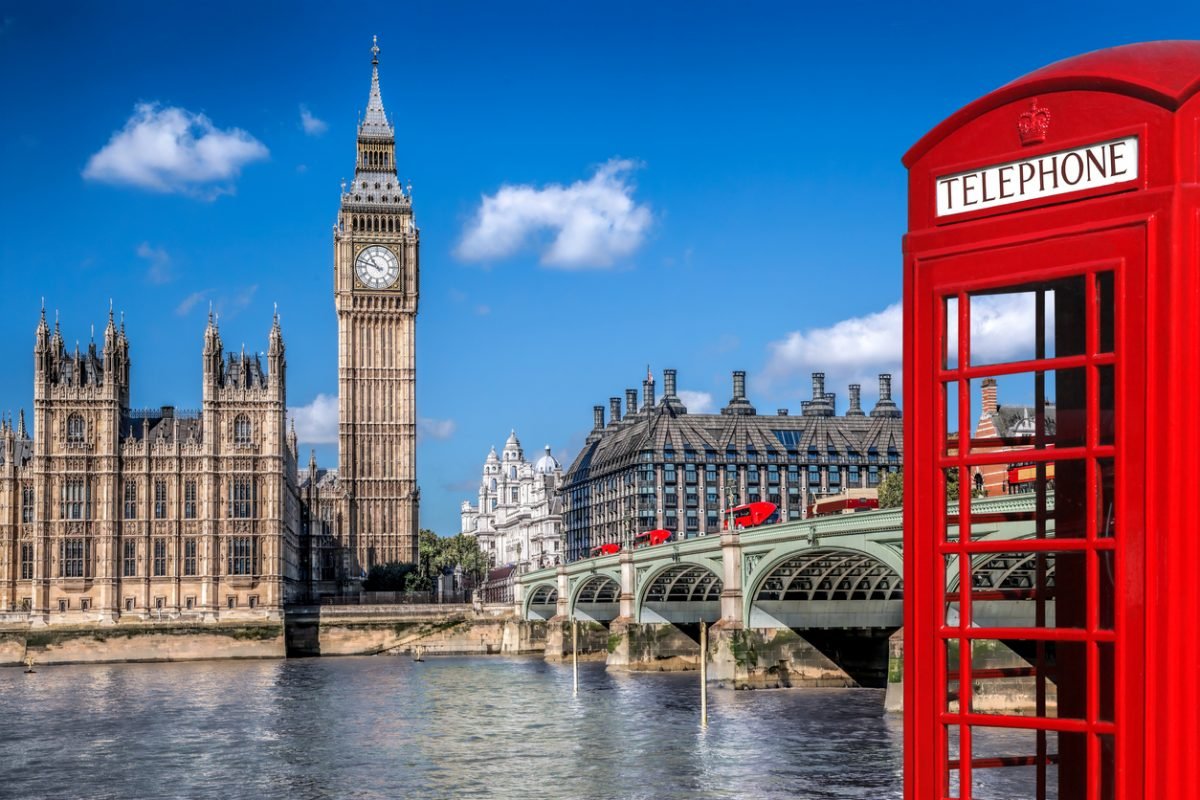
This giant Ferris wheel offers jaw-dropping views of London’s landmarks. My sunset ride was pure magic, with Big Ben glowing below. Fast-track tickets (£45) save time, and kids love the ride. It’s a quick way to feel London’s pulse.
Westminster Abbey: Where History is Crowned
This Gothic masterpiece has hosted royal weddings and coronations. I stood where Kate Middleton walked down the aisle, feeling history’s weight. Entry is £29, with audio tours in multiple languages. Don’t miss Poet’s Corner for literary vibes.
British Museum: A World in One Place
With over 8 million artifacts, this London gem is a time machine. I spent hours lost among Egyptian mummies and the Rosetta Stone. It’s free, though donations are welcomed, and special exhibits may cost £20. Perfect for curious minds.
Scotland’s Timeless Treasures
Scotland’s rugged beauty and storied past make it a dream for adventurers. From castles to lochs, these spots weave folklore and history into every view. My hikes here felt like stepping into a Braveheart scene.
Edinburgh Castle: Scotland’s Crown Jewel
Perched atop Castle Rock, this fortress dominates Edinburgh’s skyline. I loved exploring its war museums and the Scottish Crown Jewels. Tickets are £19.50, and sunset visits offer epic views. It’s Scotland’s heartbeat.
Loch Ness: Monster Myths and Majesty
This deep, dark loch in the Highlands sparks the imagination. I took a boat tour hoping to spot Nessie—no luck, but the scenery was unreal. Cruises start at £25, and nearby Urquhart Castle adds historical depth.
Isle of Skye: Nature’s Masterpiece
Skye’s dramatic cliffs and fairy pools are straight out of a fantasy novel. Hiking the Old Man of Storr at dawn, I was floored by the misty vistas. Free to explore, though guided tours (£50) add context. Pack waterproofs—it’s wild.
Glenfinnan: Harry Potter and Highland Glory
Famous for its viaduct from the Hogwarts Express, Glenfinnan is pure magic. I watched the Jacobite steam train puff by, feeling like a kid. The visitor center is £5, and hikes offer loch views. It’s a Highland gem.
Wales’ Hidden Gems
Wales blends rugged landscapes with proud heritage. Its castles and coasts are less crowded but just as captivating. My road trip here was a love letter to green valleys and ancient tales.
Caernarfon Castle: Welsh Stronghold
This UNESCO-listed castle in Gwynedd is a medieval marvel. Walking its ramparts, I imagined Welsh princes plotting battles. Entry is £12, and the views over the Menai Strait are worth it. It’s a history nerd’s dream.
Snowdonia: Peaks and Legends
Snowdonia’s mountains, including Yr Wyddfa (Snowdon), are a hiker’s paradise. I puffed my way up for sunrise, and the 360-degree views were unreal. Free to hike, though parking is £10. Trains to the summit cost £40.
Anglesey: Coastal Serenity
This island off North Wales boasts beaches and ancient sites. I wandered Ynys Llanddwyn, a romantic spot with lighthouse views. Free to visit, with optional guided tours at £20. It’s perfect for quiet escapes.
Northern Ireland’s Natural Wonders
Northern Ireland’s compact size hides epic landscapes and history. From cliffs to castles, it’s a storyteller’s delight. My visit felt like uncovering a secret corner of the UK.
Giant’s Causeway: Nature’s Puzzle
This UNESCO site’s hexagonal basalt columns look otherworldly. I hopped across them at sunset, laughing at Finn McCool’s legend. Free entry, but the visitor center is £13. Wear sturdy shoes—it’s slippery.
Dunluce Castle: Cliffside Drama
Perched on Antrim’s cliffs, this ruined castle feels like a Game of Thrones set. I explored its crumbling halls, picturing medieval feasts. Entry is £6, and the coastal path is free. It’s hauntingly beautiful.
Belfast: Titanic Tales and Vibrant Streets
Belfast’s mix of history and hip vibes is infectious. The Titanic Museum (£25) moved me with its shipbuilding stories. Free street art tours in the Cathedral Quarter add modern flair. It’s a city with soul.
Charming Cities and Countryside
Beyond the big names, the UK’s smaller cities and rural spots shine. These destinations offer culture, charm, and fewer crowds. I’ve fallen for their cozy pubs and quirky streets.
Bath: Roman Elegance
Bath’s golden Georgian architecture and Roman Baths are timeless. Soaking in the Thermae Spa (£40) was my highlight, with rooftop views. The Baths entry is £27, and Jane Austen fans will love the nearby museum.
York: Medieval Magic
York’s cobbled Shambles and towering Minster feel like a time warp. I got lost in its alleys, munching on local fudge. Minster entry is £18, and free walking tours cover Viking history. It’s a history buff’s playground.
Cambridge: Academic Charm
Punting on the River Cam past Cambridge’s colleges is pure bliss. I tried it myself—tougher than it looks! Punting tours cost £30, and King’s College Chapel (£12) is a must. It’s intellect with a side of beauty.
Cotswolds: Quintessential England
This region’s honey-colored villages are postcard-perfect. I stayed in Bourton-on-the-Water, sipping tea by the river. Free to wander, with guided tours at £25. It’s ideal for slow-paced charm.
Lake District: Nature’s Canvas
A UNESCO World Heritage Site, this area’s lakes and peaks are breathtaking. Hiking Scafell Pike, I felt on top of the world. Free to explore, though parking is £8. Beatrix Potter’s house (£15) adds literary charm.
Cornwall: Coastal Dreams
Cornwall’s beaches and fishing villages are pure joy. St Ives’ art scene and Penzance’s cliffs stole my heart. Free beaches, with surf lessons at £40. It’s the UK’s answer to the Mediterranean.
Comparing Top UK Attractions
To help you choose, here’s a table comparing key spots based on my visits and traveler feedback. It covers cost, vibe, and ideal visitors.
| Attraction | Location | Entry Fee (Approx.) | Best For | Unique Feature |
|---|---|---|---|---|
| Tower of London | London, England | £37 | History Buffs | Crown Jewels |
| Stonehenge | Wiltshire, England | £22 | Mystery Seekers | Ancient Stones |
| Edinburgh Castle | Edinburgh, Scotland | £19.50 | Castle Enthusiasts | Scottish Crown Jewels |
| Giant’s Causeway | Antrim, N. Ireland | Free (£13 center) | Nature Lovers | Basalt Columns |
| Lake District | Cumbria, England | Free (£8 parking) | Hikers & Romantics | Lakes and Mountains |
| Bath’s Roman Baths | Bath, England | £27 | Culture Vultures | Roman History |
This table highlights variety—London for urban buzz, the Lake District for nature. Costs are approximate for 2025.
Pros and Cons of UK Travel
The UK’s allure comes with quirks. Here’s a balanced take from my trips.
Pros:
- Diverse attractions: Castles, cities, and coasts in one compact country.
- Easy transport: Trains and buses connect most spots seamlessly.
- Rich history: Every corner has a story, from Roman to royal.
- English everywhere: No language barrier for most travelers.
- Safe and clean: High standards make exploring stress-free.
Cons:
- Costly: London and peak-season sites can hit your wallet hard.
- Weather: Rain is a frequent guest, so pack layers.
- Crowds: Summer at Stonehenge or Edinburgh can feel packed.
- Driving: Narrow rural roads challenge non-locals.
- Short seasons: Some attractions close in winter.
The pros make the UK a dream, but plan for weather and budgets.
Planning Your UK Adventure
Best Times to Visit
Spring (April-May) and autumn (September-October) balance mild weather and fewer crowds. Summer is lively but busy, while winter offers cozy vibes and lower hotel rates, though some sites close. I loved autumn in York—golden leaves and quiet streets.
Getting Around
Trains like National Rail are fast (London to Edinburgh in 4.5 hours, £50+). Buses like National Express are cheaper (£20+). Renting a car (£40/day) suits rural spots like the Cotswolds. I used trains for cities and drove in Wales—both worked well.
Where to Book Tours and Tickets
Sites like GetYourGuide offer skip-the-line tickets and guided tours. Book Stonehenge or London Eye in advance to save time. Local tourist offices, like VisitScotland, provide deals on multi-attraction passes. I saved £15 on a London pass once.
People Also Ask: Common Questions About UK Tourism
What is the number one tourist attraction in the UK?
The British Museum in London tops the list with over 6 million annual visitors, thanks to its free entry and global artifacts.
Which UK city is best for tourists?
London wins for its mix of history, culture, and modern vibes, but Edinburgh’s charm and festivals are close contenders.
Are UK attractions expensive?
Some, like the Tower of London (£37), are pricey, but free sites like museums and parks balance it out.
What’s the best way to see the UK on a budget?
Use free attractions, book trains early, and stay in B&Bs. I saved by picnicking in Hyde Park instead of dining out.
FAQ: Your Top Questions Answered
What makes the UK a top tourist destination?
Its mix of ancient history, vibrant cities, and stunning landscapes offers something for everyone, from castles to coastlines.
How long should I spend visiting the UK?
Two weeks lets you hit major spots like London, Edinburgh, and the Lake District. I did 10 days and wished for more.
Are UK attractions family-friendly?
Yes, places like the London Eye and Edinburgh Castle offer kids’ activities, and many museums are free for under-16s.
What’s the best way to book UK attraction tickets?
Use official sites like Historic Royal Palaces or aggregators like Viator for deals and skip-the-line options.
Can I visit UK attractions without a guide?
Most are accessible solo, but guided tours (e.g., Yeoman Warder at the Tower) add depth and stories.
The UK’s top 22 spots are a love letter to history, nature, and culture. From my first glimpse of Stonehenge’s stones to punting in Cambridge, each visit has left me richer in memories. Whether you’re chasing legends in Loch Ness or marveling at London’s skyline, these places promise adventure. Pack your curiosity, grab a raincoat, and dive into the UK’s wonders—you’ll leave planning your next trip. (Word count: 2,612)