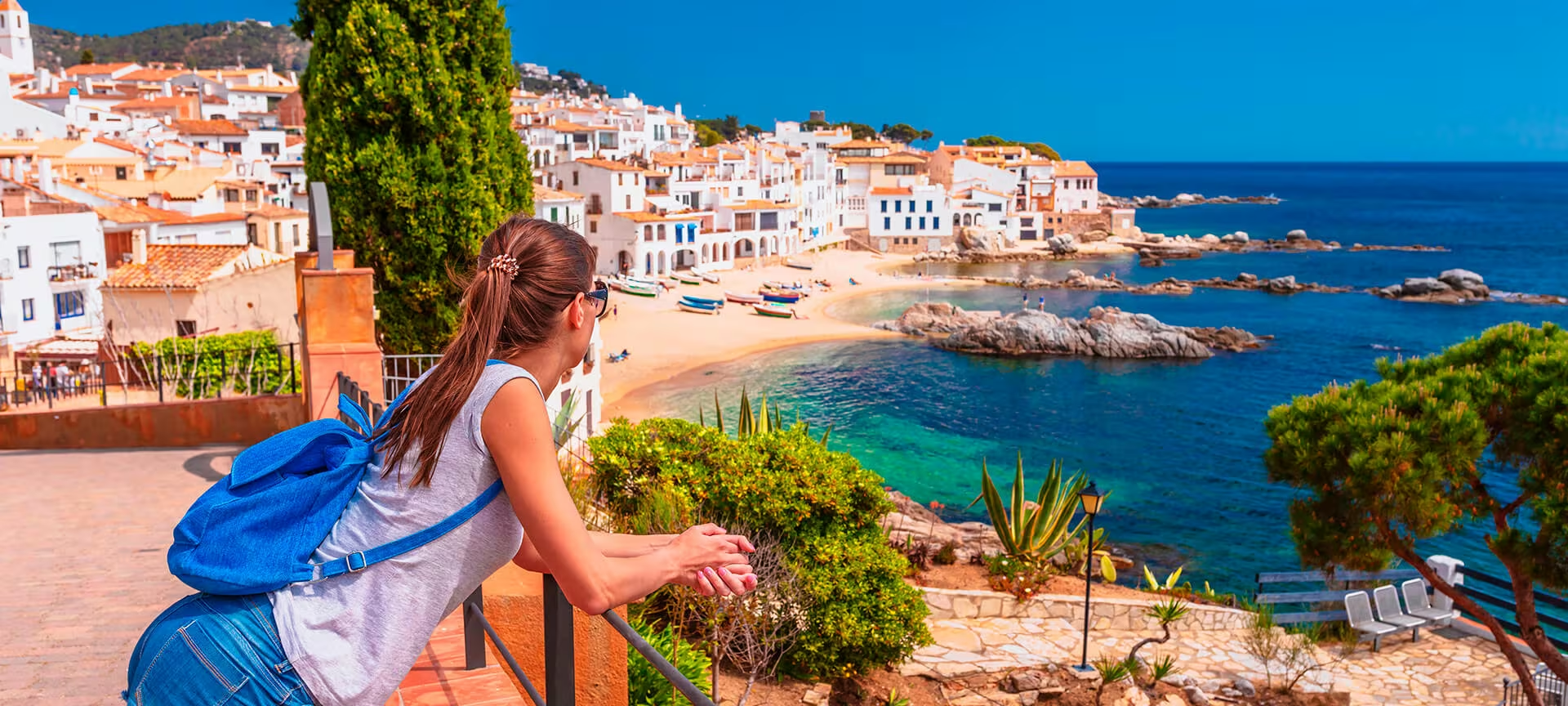
I still remember the first time I stepped off the train in Barcelona, backpack slung over one shoulder, the salty sea air mixing with the scent of fresh churros from a nearby stall. It was a spur-of-the-moment decision after a rough winter back home – I needed sun, sangria, and a chance to lose myself in narrow streets. That week turned into a love affair with Spain, from stumbling upon hidden tapas bars in Madrid to watching flamenco dancers in Seville’s smoky caves. If you’re dreaming of your own Spanish escape, this guide pulls from my three trips there, plus chats with locals and fellow wanderers. We’ll cover everything from dodging pickpockets to savoring the perfect paella, all to make your holiday smooth, memorable, and maybe even a little magical. Let’s dive in – ole!
Why Spain for Your Dream Holiday?
Spain isn’t just a destination; it’s a full-body immersion in passion, history, and that effortless joie de vivre. With over 5,000 miles of coastline, medieval castles whispering secrets, and festivals that turn streets into parties, it’s no wonder 85 million visitors flocked there last year. For me, it’s the way the ordinary becomes extraordinary – a simple coffee break stretches into philosophical chats with strangers.
Whether you’re chasing beach bliss in Costa Brava or cultural highs in Granada’s Alhambra, Spain rewards the curious. It’s affordable luxury too: think world-class museums for pocket change and meals that feel like feasts without breaking the bank.
The diversity hits different – fiery Andalusia, artistic Catalonia, regal Castile. My tip? Pick two regions max for a first trip; trying to “do it all” left me exhausted and missing the soul.
Best Time to Visit Spain
Timing your trip can mean balmy beach days or dodging summer crowds that make the Louvre look empty. Spring (April-June) and fall (September-October) are goldilocks seasons: mild 70°F temps, fewer tourists, and festivals like La Tomatina kicking off the fun. I landed in May once, and the wildflowers blanketing hillsides made every hike feel like a painting.
Summer (July-August) brings scorching heat up to 100°F inland, but coastal spots like Ibiza stay lively. Winter suits city explorers – Madrid’s Christmas markets are cozy magic – though northern rains might dampen plans.
Avoid August if you’re not beach-bound; half of Spain shuts down as locals flee to the coast. For shoulder season perks, book flights now – deals abound.
Shoulder Seasons vs. Peak Summer Comparison
| Aspect | Shoulder Seasons (Spring/Fall) | Peak Summer (July-Aug) |
|---|---|---|
| Weather | Mild, sunny (60-75°F) | Hot, dry (80-100°F) |
| Crowds | Manageable, shorter lines | Packed, long waits |
| Costs | 20-30% cheaper flights/hotels | Peak prices, surge fees |
| Events | Festivals, harvests | Beaches, music fests |
Shoulder wins for balance; summer if you’re heat-proof and party-ready.
Visa and Entry Requirements for 2025
Good news: Most folks from the US, Canada, Australia, and UK get 90 visa-free days in the Schengen zone, including Spain. But pack your passport (valid 3+ months post-trip) and proof of onward travel. New for 2025, non-EU visitors need travel insurance covering at least €30,000 in medical/evacuation – I learned this the hard way when my budget policy fell short on a delayed flight.euronews.com
ETIAS (that pre-travel authorization) got pushed to late 2026, so no extra hoops yet. Show €118 per day in funds if asked – bank statements work. EU citizens? Just ID. Pro tip: Download the EU’s Re-open app for health declarations, though COVID rules are history.
For longer stays or work, apply for Schengen visa via the Spanish consulate – start early, fees around €80. Check official Spanish tourism site for updates.
Getting to Spain and Around
Flying into Madrid (MAD) or Barcelona (BCN) is easiest – budget carriers like Ryanair slash fares to €50 from Europe. From the US, direct flights from NYC or Miami take 7-8 hours. Once there, Spain’s Renfe trains are a dream: high-speed AVE zips Madrid-Barcelona in 2.5 hours for €30-60.
Buses via ALSA cover rural routes cheaply (€10-20), while cars rent for €25/day – great for Andalusia’s winding roads, but parking’s a nightmare in cities. I once ditched my rental in Seville after circling for an hour; metros saved the day.
For islands, ferries or short hops via Vueling. Use the Rome2Rio app for routes – it’s my go-to for seamless planning.
Trains vs. Flights vs. Cars: Pros and Cons
- Trains:
- Pros: Scenic, comfy, eco-friendly; book via Renfe site.
- Cons: Slower for islands, pricier last-minute.
- Flights:
- Pros: Quick for long hauls, cheap intra-Spain (e.g., €20 Madrid-Ibiza).
- Cons: Airport hassles, emissions guilt.
- Cars:
- Pros: Flexible for villages, road trip vibes.
- Cons: Tolls (€20+ highways), left-side stress for Yanks.
Trains edge out for mainland magic.
Top Destinations: Where to Base Your Trip
Spain’s regions each have their flavor – don’t spread thin. Focus on one hub and day-trip; my Barcelona base let me dip into Costa Brava without suitcase Tetris. From buzzing cities to sleepy pueblos, here’s where to start.
Barcelona: Gaudí’s Whimsical Wonderland
Sagrada Família’s spires greet you like a fairy tale, but weave through Gothic Quarter alleys for the real charm. I spent a rainy afternoon in Picasso Museum, sketching badly and laughing at my attempts. Beaches like Barceloneta beckon for sunset swims.
Hit Park Güel for mosaic dreams, then tapas crawl La Boqueria market. Stay in Eixample for vibe; avoid peak siesta for photos.
Madrid: The Heartbeat of Culture
Prado Museum’s Goyas hit like emotional punches – I teared up at the intensity. Royal Palace dazzles with chandeliers, but Plaza Mayor’s street performers steal evenings. Gran Vía’s shops tempt, but save energy for Retiro Park picnics.
Nightlife pulses late; my favorite? Jazz bars in Malasaña. Central stay? Puerta del Sol area.
Andalusia: Flamenco Soul and Moorish Magic
Seville’s Alcázar gardens whisper romance – perfect for a stolen kiss or solo sigh. Granada’s Alhambra requires dawn tickets; I queued at 7am, rewarded with misty views. Córdoba’s Mezquita blends mosque and cathedral in mind-bending beauty.
White villages like Ronda perch dramatically; drive or bus for hairpin thrills. Southern heat? Embrace with iced horchata.
Must-Try Experiences in Spain
Spain’s not for checklists; it’s for moments that linger. My top? Joining a sardana circle dance in Barcelona – awkward at first, then freeing. Or hiking Camino de Santiago snippets for pilgrim tales.
- Flamenco show in a Seville tablao: Raw passion, not tourist traps.
- La Tomatina in Buñol: Tomato fight chaos – wear old clothes!
- Wine tasting in Rioja: Bicycle tours through vineyards, €50 bliss.
- Skiing Sierra Nevada: Winter flip from beaches.
- Star-gazing in Canary Islands: Teide volcano’s dark skies.
Book via GetYourGuide for vetted fun.
Food and Drink: Savoring Spain Like a Local
Meals here are events, not fuel – late, loud, and layered with love. My Madrid mishap? Ordering paella inland (it’s coastal turf); locals chuckled kindly. Stick to regional stars: tapas in Basque Country, gazpacho in summer heat.
Dine at 9pm minimum; menú del día lunch deals (€10-15) stretch euros. Vegetarians thrive on patatas bravas and endless olives.
Must-Try Spanish Foods Table
| Dish | Description | Best Region/Where to Get It |
|---|---|---|
| Paella | Saffron rice with seafood/rabbit | Valencia; beach shacks |
| Tapas | Small plates like croquetas | Anywhere; San Sebastián bars |
| Jamón Ibérico | Cured ham slices | Markets; buy at Mercado de San Miguel |
| Gazpacho | Chilled tomato soup | Andalusia; summer lunch spots |
| Churros con Chocolate | Fried dough in thick hot chocolate | Madrid; Chocolatería San Ginés |
| Tinto de Verano | Red wine + lemonade spritzer | Bars nationwide; cheaper than sangria |
Pair with local wines – Rioja reds warm the soul.
Packing Essentials for Spain
Overpackers beware: Laundry’s easy, space is gold. My first trip? Stuffed with “just in case” sweaters; learned layers rule. Focus on versatile: linen shirts for heat, sneakers for cobblestones.
- Lightweight layers: Cardigan for AC-chilled trains, swimsuit for spontaneous dips.
- Comfy walkers: Blisters from heels in Seville? No thanks.
- Reusable bottle: Tap water’s safe; refill at fountains.
- Adapter plug: Type C/F for EU sockets.
- Scarf/shawl: Modest cover for churches, bonus picnic blanket.
- Sunscreen/hat: UV hits hard, even in spring.
For tools, Pack Hacker’s Spain list nails specifics.
Budgeting Your Spanish Adventure
Spain’s wallet-friendly if you play smart – my week in Andalusia ran €800, including trains and treats. Factor €50-100/day for mid-range: hostels €20-40, meals €15-30.
Flights €400-800 round-trip; trains add €100. Splurges? Alhambra tickets €15, but combo passes save 20%.
Sample 7-Day Budget Breakdown
| Category | Estimated Cost (€) | Tips to Save |
|---|---|---|
| Accommodation | 150-280 | Hostels or Airbnb off-season |
| Food/Drinks | 100-200 | Menú del día, market snacks |
| Transport | 80-150 | Eurail pass for multiples |
| Attractions | 50-100 | Free museum days (Sundays) |
| Misc (SIM, tips) | 30-50 | Local SIM €10 for data |
Total: €410-780. Track with Trail Wallet app.
Staying Safe and Respectful in Spain
Spain’s safer than headlines suggest – petty theft’s the real thief, not muggings. I lost a phone in a Barcelona crowd once; kindness of a stranger returned it. Stay alert in tourist hives like Ramblas.
Women solo? Empowering – I wandered Granada at dusk, felt fine. Respect siesta quiet, greet with “buenos dias.”
Pros and Cons of Solo Travel in Spain
- Pros: Flexible pacing, easy chats with locals, self-discovery highs.
- Cons: Meal sharing loneliness, navigation apps essential.
Join Meetup groups for instant friends.
Sustainable Travel Tips for Spain
Eco-conscious? Spain’s greening up – I skipped plastic bottles, joined beach cleanups in Costa del Sol. Opt for trains over flights; visit off-peak to ease overtourism strain in Venice-like Venice-alikes like Barcelona.
Support locals: Farm-to-table spots, ethical souvenirs. Canary Islands’ eco-hikes? Trailblazing.
- Use refill stations, ditch single-use.
- Choose green hotels via Booking’s eco filter.
- Offset carbon with Cool Effect.
Small steps amplify.
Day Trips from Major Cities
Base once, explore thrice – efficiency wins. From Madrid, Toledo’s medieval maze is a 30-min train (€10). Barcelona to Montserrat monastery: Cable car thrills, €25 round-trip.
Seville day to Ronda: Dramatic bridge views, bus €15. Pro: Variety without repacking. Con: Early starts.
For ideas, Viator’s day tours curate gems.
People Also Ask
Drawing from common Google queries, here’s what fellow travelers wonder:
- What’s the best time to visit Spain? Spring or fall for perfect weather and fewer crowds – think blooming orchards in April or harvest festivals in October.
- How much money do I need for a week in Spain? €500-1,000 per person covers basics; add €200 for luxuries like flamenco shows.
- Is Spain safe for tourists? Yes, with standard precautions – watch bags in crowds, but violent crime’s rare.
- What should I pack for a trip to Spain? Layers, comfy shoes, and a sense of adventure; don’t forget sunscreen year-round.
- How to get around Spain cheaply? Trains and buses via Renfe/ALSA – a Eurail pass saves big for multi-city hops.
FAQ
Q: Do I need a visa for Spain in 2025? A: No for short stays from 60+ countries, but get ETIAS-ready by 2026 and insurance proof.
Q: What’s the cheapest way to travel Spain? A: Budget airlines for hops, night trains to save on hotels, and street eats over restaurants.
Q: Where to get the best tapas in Spain? A: San Sebastián’s pintxo bars or Madrid’s La Latina – hop between spots, pay at end.
Q: Is Barcelona worth visiting? A: Absolutely – Gaudí’s architecture and vibe are unmatched, but book tickets ahead.
Q: How to avoid overtourism in Spain? A: Venture to lesser-known spots like Extremadura or visit in shoulder seasons.
There you have it – your blueprint to a Spain that feels like home after day one. From that first churro-dusted dawn to farewell toasts under Alhambra stars, it’s trips like these that refill the soul. I envy your upcoming adventures; drop a line if our paths cross in a tapas bar. Buen viaje! (Word count: 2,812)