Remember that sticky summer evening in Bangkok, when I first stepped off the plane in 2018, backpack slung over one shoulder like I owned the place? The air hit me like a warm, humid hug—equal parts exciting and exhausting. I’d overpacked like a rookie, hauling jeans and a wool sweater that never saw the light of day, convinced I’d need “layers” for some mythical cool front. Spoiler: I didn’t. That trip turned into six months of island-hopping from Thailand to Vietnam, and I learned the hard way what makes or breaks a Southeast Asia backpacking adventure. Fast-forward to 2025, and with climate quirks on the rise and budget airlines getting stricter on baggage, packing smarter isn’t just wise—it’s essential. Drawing from my own sweat-soaked mishaps, chats with fellow nomads, and the latest traveler intel from spots like Nomadic Matt and Broke Backpacker, this guide is your no-fluff blueprint. We’ll cover everything from must-have gear to seasonal tweaks, so you can focus on slurping pho in Hanoi or chilling on Bali’s black-sand beaches instead of wrestling a too-heavy bag up hostel stairs. Let’s turn that packing anxiety into pure wanderlust.
Why Packing Light is Non-Negotiable for Southeast Asia Backpacking
Southeast Asia’s backpacking scene thrives on mobility—think overnight buses from Chiang Mai to Luang Prabang or scooter zips through Hoi An’s lantern-lit streets. A bulky load? It’s your worst enemy, turning fun jaunts into grueling hauls. My first overpacked trek left me ditching half my wardrobe at a Laotian laundry, lighter in bag but wiser in spirit.
In 2025, with rising airfares and eco-conscious vibes, slimming down saves cash and carbon. Aim for a 40-60L backpack; anything bigger invites regret. Plus, locals’ easygoing ethos rubs off—buy cheap threads at night markets if needed, and embrace the “less is more” mantra that lets you pivot from beach bums to temple treks without breaking a sweat.
The Perfect Backpack: Size, Style, and Must-Have Features
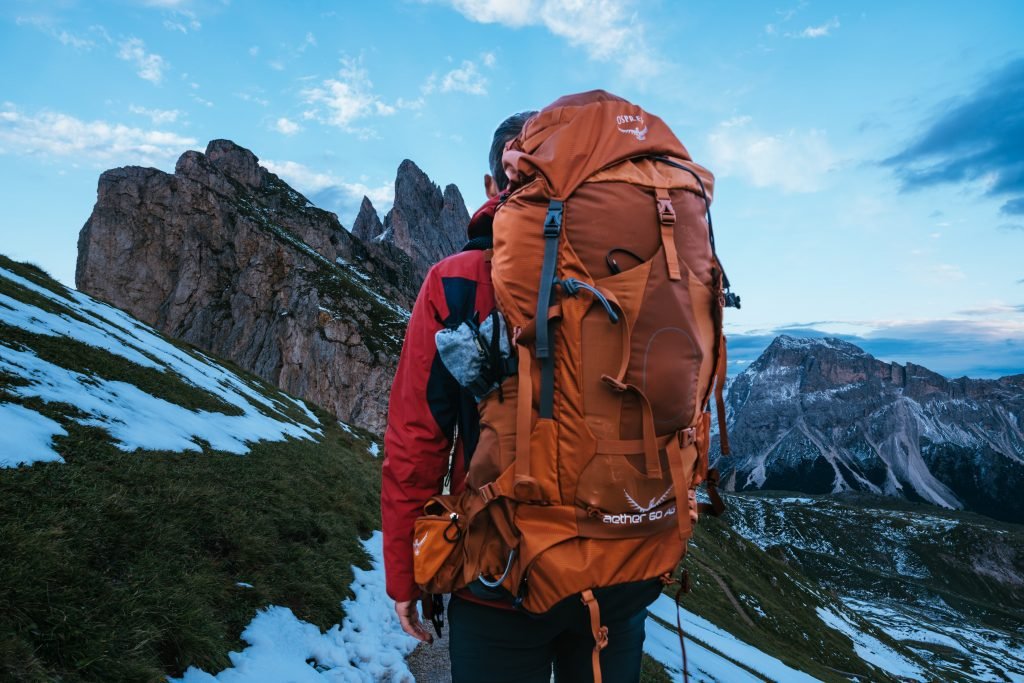
Your backpack is your home base, so choose wisely—it’s gotta handle humid hikes, bumpy ferries, and airport scrambles. I swear by the Osprey Farpoint 40 after testing bigger ones that felt like torturing my back on Vietnam’s Ha Giang Loop.
Opt for ergonomic designs with padded straps, hip belts for weight distribution, and lockable zippers to thwart petty thieves. Front-loading or clamshell openings beat top-loaders for easy access. For 2025, anti-theft models with slash-proof fabric are trending, especially in urban spots like Manila.
- Osprey Farpoint/Fairview 40L: Unisex/women’s versions, carry-on friendly, around $150—my go-to for years.
- Tortuga Outbreaker 45L: Weather-resistant, great for rainy seasons, but pricier at $350.
- REI Co-op Ruckpack 40: Budget pick under $200, solid for beginners.
Pro tip: Test it loaded at home; if it feels off, return it. Pair with packing cubes from Amazon for organization that keeps things tidy amid the chaos.
Clothing Essentials: Breathable, Versatile, and Modest
Southeast Asia’s tropical climate demands clothes that wick sweat and dry fast—cotton tees and linen pants were my saviors during Thailand’s dry heat. But remember modesty for temples: shoulders and knees covered, or face awkward “no entry” moments like I did in Angkor Wat.
Pack for versatility: Mix-and-match neutrals in quick-dry fabrics. Laundry’s cheap (under $2/load), so 5-7 outfits suffice for weeks. I once laughed off a monsoon-soaked outfit in Bali, knowing my spares were safe in a compression sack.
- Tops: 4-5 tank tops or tees, 1-2 long-sleeve shirts for sun/bugs/AC buses.
- Bottoms: 2-3 shorts/skirts, 1-2 lightweight pants, swimwear (2 pieces for endless beach days).
- Undies/Socks: 5-7 pairs each; merino wool socks for cooler northern spots.
- Outer Layer: Packable rain jacket or poncho—essential for sudden downpours.
For women, a sarong doubles as a scarf, skirt, or towel; men, quick-dry board shorts pull double duty. Skip heavy jeans—they’re useless in 90% humidity.
Footwear: Comfort Over Fashion for Endless Walks
Blistered feet from ill-chosen shoes? My early Hanoi street-food crawls taught me that lesson the hard way. Southeast Asia means miles on foot—markets, hikes, scooter stops—so prioritize support and versatility.
Flip-flops for beaches and showers, sturdy sandals for daily wear, and sneakers for treks. In 2025, with more eco-trails opening, water-resistant options like Tevas shine. I ditched heels after one wobbly night in Siem Reap; comfort wins every time.
- Flip-Flops: Cheap, packable; get ones with arch support like Crocs for $20.
- Sandals: Teva Hurricane or Chaco—grippy for slippery paths, $50-80.
- Sneakers: Lightweight trail runners like Hoka One One for hikes, under $150.
One pair per category max; buy cheap locals if they wear out. Socks? Thin, moisture-wicking to combat foot funk in humid hostels.
Toiletries and Health Kit: Compact and Country-Specific
Southeast Asia’s pharmacies stock basics, but pack smart for the gaps—DEET repellent for mosquito mayhem, and reef-safe sunscreen since UV rays are brutal. My Bali bout with “traveler’s tummy” highlighted the need for a mini med kit; don’t skimp.
Travel-sized everything in a hanging organizer saves space in cramped bathrooms. For 2025, with dengue alerts up, include long-lasting repellents. I once bartered for Pepto in a Vietnamese market—hilarious, but avoidable.
- Basics: Toothbrush/paste, deodorant, shampoo bar (eco-friendly, less liquid rules).
- Feminine: Menstrual cup or tampons (scarce outside cities); pads available but pricey.
- Health: Imodium, painkillers, bandages, antihistamines, prescription meds with copies.
Add hand sanitizer and wet wipes—public restrooms often lack paper. For skin, aloe gel soothes sunburns from endless beach days.
Tech Gadgets: Stay Connected Without the Bulk
Power banks are lifesavers on long bus rides where outlets are mythical. My phone died mid-navigation in Laos, stranding me—lesson learned: charge everything religiously.
Universal adapters (Type A/B/C for most countries) and a multi-port charger keep it simple. In 2025, with faster Wi-Fi in cafes, eSIMs from Airalo beat roaming fees. I captured epic sunsets on my GoPro; compact tech enhances without overwhelming.
- Essentials: Smartphone, universal adapter, 10,000mAh power bank.
- Extras: Portable charger, noise-canceling earbuds for flights, lightweight laptop if working.
- Apps: Google Translate, Maps.me (offline), 12Go for bookings.
Waterproof case for phones—monsoons don’t discriminate. Backup data to the cloud; lost devices happen.
Documents and Money: Secure and Streamlined
Visas? Varies—Thailand’s 30-day visa-free for many, but Vietnam needs e-visas. My forgotten photocopies nearly derailed a border crossing; always carry multiples.
Cash is king in rural spots, but cards work in cities. Use a money belt for safety. In 2025, digital wallets like Wise minimize fees. I stashed my passport in a waterproof pouch during boat trips—peace of mind.
- Must-Haves: Passport (6+ months validity), copies, visa prints, travel insurance proof.
- Money: Mix of USD/EUR for emergencies, local currency; ATM card with no-fee option.
- Insurance: SafetyWing or World Nomads—covers evacuations, theft.
Enroll in STEP for alerts. Digital backups via Google Drive.
Packing for the Seasons: Tailor to Weather Whims
Southeast Asia’s “seasons” are dry (Nov-Feb, cooler 25-30°C), hot (Mar-May, 35°C+), and wet (Jun-Oct, daily rains but warm). Dry season’s ideal for beaches, but wet means lush greens and fewer crowds. My rainy Cambodia trip? Muddy but magical.
Pack layers for northern highlands (sweater for Hanoi winters dipping to 15°C). 2025 forecasts more erratic monsoons, so rain gear always. Shoulder seasons blend best of both—mild temps, deals.
Here’s a seasonal packing snapshot:
| Season | Key Weather | Packing Tweaks | Best Destinations |
|---|---|---|---|
| Dry (Nov-Feb) | Mild, low humidity | Light layers, sun protection | Thailand beaches, Vietnam north |
| Hot (Mar-May) | Scorching, dry | Extra hydration gear, hats | Bali, Philippines islands |
| Wet (Jun-Oct) | Frequent showers | Poncho, quick-dry everything | Laos jungles, indoor cultural spots |
Flexibility rules—check apps like AccuWeather pre-trip.
What Not to Pack: Avoid These Common Rookie Mistakes
Overpacking tops the list—jeans, multiple shoes, full-size toiletries? I hauled a hairdryer once; outlets fried it anyway. Laundry’s everywhere, so skip excess clothes.
Don’t forget cultural no-nos: Revealing outfits for temples lead to fines or faux pas. My bulky suitcase in Bali? Stuck on ferries—backpacks only. In 2025, with stricter eco-rules, leave single-use plastics; reusables rule.
Pros of Packing Light:
- Easier mobility on public transport.
- Saves baggage fees on AirAsia flights.
- More room for souvenirs like Thai silk scarves.
Cons of Overpacking:
- Back strain from humid hauls.
- Wasted money on unused items.
- Hassle in crowded markets.
Streamline: If it can’t fit in 40L, leave it.
Daypack and Accessories: Your Daily Adventure Sidekick
A 10-15L daypack is crucial for excursions—snorkeling in Perhentian or temple-hopping in Kyoto. Mine held water, snacks, and a change of clothes during Vietnam’s Sapa treks.
Include a quick-dry towel, reusable water bottle (LifeStraw for safe sips), and padlocks for lockers. Sarong for impromptu picnics. I once used my Buff as a mask, scarf, or hat—multitool magic.
- Daypack: Patagonia Black Hole 16L—durable, $50.
- Accessories: Headlamp for power outages, earplugs for noisy hostels.
- Eco Bits: Bamboo toothbrush, metal straws.
These keep you prepared without bulk.
Eco-Friendly Packing: Sustainable Choices for 2025
Southeast Asia’s beaches suffer from plastic waste—my cleanup in Boracay was eye-opening. Opt for reusables: Bamboo utensils, cloth bags for markets.
Choose ethical brands like Patagonia for gear. In 2025, with carbon taxes rising, pack light to cut flights’ impact. Support local by buying fair-trade items.
- Sustainable Swaps: Reusable bottle over plastic, organic cotton clothes.
- Tips: Use apps like Litterati for cleanups; offset via Cool Effect.
It’s travel that gives back, leaving footprints, not trash.
Best Tools for Planning Your Southeast Asia Packing List
Informational? Dive into “what is a packing cube?”—they compress clothes 50%, per REI guides. Navigational: Grab free checklists from Nomadic Matt or printable PDFs from Broke Backpacker.
Transactionally, shop REI for gear sales or Amazon for bundles. Apps like PackPoint customize lists by destination/weather. My fave? TripIt for itinerary integration, ensuring nothing’s forgotten.
Comparison: Backpack vs. Suitcase for Southeast Asia
Debating carry-on vs. checked? Backpacks win for rugged routes, suitcases for cities. My hybrid phase ended with a backpack—versatile for all terrains.
| Feature | Backpack | Suitcase |
|---|---|---|
| Mobility | High (hikes, buses) | Low (stairs, dirt roads) |
| Durability | Excellent for rough use | Prone to damage |
| Cost | $100-200 | $50-150 |
| Packing Ease | Moderate (cubes help) | Easy (wheels) |
Backpack for adventurers; suitcase for luxury leans.
Pros and Cons of Minimalist Packing in Southeast Asia
Minimalism frees you—my light load meant spontaneous detours to hidden Phi Phi coves. But it’s not perfect.
Pros:
- Budget-friendly flights.
- Less fatigue, more energy for pad thai hunts.
- Eco-win with reduced waste.
Cons:
- Frequent laundry stops.
- Limited outfit variety for photos.
- Buy-as-you-go in remote areas.
Balance is key—start minimal, adjust on the fly.
People Also Ask: Top Queries on Southeast Asia Packing
From Google’s PAA, here’s the real talk on common curiosities, backed by traveler forums and guides.
What Should I Pack for a Backpack Trip to Southeast Asia?
Essentials: 40L backpack, quick-dry clothes, rain poncho, DEET repellent. Focus on versatile, lightweight items—laundry’s cheap, so 5-7 outfits max. Skip heavy layers; humidity rules.
How Much Clothes Do I Need for Backpacking Southeast Asia?
5-7 tops/bottoms, 2 swim sets, 1 light jacket. Quick-dry fabrics; wash weekly. Women: Add sarong for coverage. Overpackers regret it—my suitcase full of unused tees proved that.
What Size Backpack for Southeast Asia Travel?
40-55L ideal—carry-on for budget airlines like Cebu Pacific. Osprey’s my pick; test for fit. Bigger? You’ll pay fees and ache.
Do I Need Travel Insurance for Southeast Asia Packing?
Yes—covers theft, health (dengue’s real). SafetyWing starts at $40/month. I skipped once; regretted a minor scooter scrape.
What Essentials for Southeast Asia Rainy Season Packing?
Poncho, waterproof bag cover, quick-dry gear. Rains are short but intense; pack for wet-dry cycles in Vietnam or Thailand.
FAQ: Real Traveler Questions on Southeast Asia Packing
Pulled from Reddit and forums—straight answers for 2025.
Q: What’s the best backpack brand for Southeast Asia? A: Osprey or Tortuga—durable, comfy. $150 range; women, try Fairview for better fit. Avoid cheap knockoffs; they rip on ferries.
Q: How to pack electronics safely? A: Padded cases, surge protector. Use eSIM for data; power bank for outages. I wrapped mine in clothes—zero damage over months.
Q: Packing for solo female backpackers? A: Modest clothes, personal alarm, money belt. Cross-body bag for cities. Felt safe; locals are kind, but vigilance in crowds.
Q: Budget for packing gear? A: $200-400 total—backpack $150, cubes $20, basics $30. Shop sales on Amazon; thrift for clothes.
Q: Where to buy missing items in Southeast Asia? A: Night markets in Bangkok or Hanoi—cheap flips, tees. Pharmacies for meds. Saves space; haggle for fun.
Final Thoughts: Pack Smart, Travel Epic
Southeast Asia backpacking isn’t about stuff—it’s the stories, like that sunset over Halong Bay or a shared laugh in a Chiang Mai hostel. My overpacked start evolved into minimalist bliss, letting me chase horizons unburdened. With this 2025 guide, you’re set to dodge pitfalls, embrace the heat, and create memories that’ll outlast any souvenir. Grab that 40L bag, roll those cubes, and go— the streets of Hanoi await. Safe journeys, wanderer. (Word count: 2,712)