Picture yourself wandering cobblestone streets lined with half-timbered houses, a frothy beer in hand, or standing in awe before a cathedral that’s weathered centuries. Germany’s cities blend history, culture, and modern flair in a way that feels like stepping into a storybook with a techno soundtrack. Having explored Germany’s nooks and crannies—from Berlin’s gritty art scene to Munich’s beer-soaked festivals—I’ve crafted this guide to the 10 best cities to visit in 2025, each offering a unique slice of Deutschland’s soul.
What Makes Germany’s Cities Special?
Germany’s urban gems are a cocktail of medieval charm, cutting-edge creativity, and hearty hospitality. Whether it’s Berlin’s rebellious spirit or Rothenburg’s fairytale vibes, each city tells a story that’s both timeless and vibrant. From Oktoberfest to avant-garde galleries, there’s something for every traveler. Let’s dive into the top 10 cities that make Germany a must-visit.
1. Berlin: The Edgy Capital
Berlin pulses with a raw, creative energy that’s hard to match. From the graffiti-covered remnants of the Berlin Wall to the grandeur of Brandenburg Gate, it’s a city where history and modernity collide. My first night here, I wandered Kreuzberg’s street art alleys, feeling like I’d stumbled into an open-air gallery. It’s a place that never sleeps, yet its parks offer serene escapes.
Must-See Attractions in Berlin
- Brandenburg Gate: Iconic symbol of unity, stunning at dusk.
- Museum Island: A UNESCO site with world-class art and history.
- East Side Gallery: Vibrant murals on a preserved Berlin Wall stretch.
Berlin’s nightlife is legendary—clubs like Berghain are bucket-list worthy. Foodies will love the international eats, from Turkish döner to Michelin-starred dining. It’s chaotic, diverse, and unapologetic.
Day Trip from Berlin
Potsdam’s Sanssouci Palace, just 30 minutes away, offers lush gardens and royal history. It’s a perfect breather from Berlin’s urban buzz. Book a guided tour via GetYourGuide for ease.
2. Munich: Bavaria’s Heartbeat
Munich is where lederhosen meets laptop culture, especially during Oktoberfest’s beer-fueled frenzy. Marienplatz, with its Glockenspiel show, feels like a step back in time. I once joined locals at Viktualienmarkt, sampling pretzels and feeling the city’s warm, communal vibe. It’s Bavaria’s cultural core, with Alpine views nearby.
Top Munich Highlights
- Nymphenburg Palace: A baroque masterpiece with sprawling gardens.
- Englischer Garten: A massive park perfect for picnics or surfing (yes, surfing!).
- Oktoberfest: The world’s biggest beer festival, held annually in September.
Munich’s beer halls, like Augustiner-Bräu, serve frothy brews with hearty schnitzel. It’s a city that balances tradition with a cosmopolitan edge.
Planning Your Munich Visit
Book Oktoberfest packages through Viator for table reservations. For budget stays, try Booking.com for deals near Marienplatz.
3. Hamburg: The Maritime Gem
Hamburg’s port city charm shines through its canals and historic warehouses. The Elbphilharmonie, a glass concert hall, is a modern marvel. Strolling the Speicherstadt at dusk, I was captivated by its red-brick glow. It’s a city of water, music, and a laid-back coolness that rivals Berlin.
Hamburg’s Key Attractions
- Speicherstadt: A UNESCO-listed warehouse district with stunning architecture.
- Reeperbahn: The lively nightlife strip, dubbed “the sinful mile.”
- Miniatur Wunderland: The world’s largest model railway, a quirky must-see.
Seafood lovers will adore the fish markets, especially Sunday’s lively Fischmarkt. Hamburg’s vibe is nautical yet urban, perfect for explorers.
Getting to Hamburg
Fly into Hamburg Airport or take a high-speed ICE train from Berlin (1.5 hours). Check schedules on Deutsche Bahn.
4. Cologne: The Cathedral City
Cologne’s skyline is dominated by its jaw-dropping Gothic cathedral, a UNESCO site that took 600 years to build. I remember sipping Kölsch beer by the Rhine, the cathedral’s spires looming overhead. It’s a city of art, history, and a carnival spirit that erupts in February. Cologne feels like a warm hug from Germany.
Cologne’s Must-Do Experiences
- Cologne Cathedral: Climb the tower for panoramic views.
- Hohenzollern Bridge: Covered in love locks, perfect for romantic strolls.
- Museum Ludwig: A treasure trove of modern art, from Picasso to Warhol.
The city’s carnival is a riot of costumes and parades—plan for February. Cologne’s charm lies in its blend of sacred and spirited.
5. Dresden: The Baroque Beauty
Dresden, reborn from WWII ashes, dazzles with baroque architecture like the Frauenkirche. Walking the Elbe River promenade, I felt transported to a painting. Its museums, like the Green Vault, house jaw-dropping treasures. Dresden is a cultural phoenix with a quiet elegance.
Dresden’s Top Sights
- Frauenkirche: A reconstructed church with a stunning dome.
- Semperoper: A grand opera house for music lovers.
- Zwinger Palace: Baroque gardens and world-class art collections.
Dresden’s Christmas markets are magical—visit in December for mulled wine and crafts. It’s a city that feels intimate yet grand.
6. Heidelberg: The Romantic Retreat
Heidelberg’s red-roofed old town and hilltop castle scream romance. I hiked the Philosopher’s Path, soaking in Neckar River views, and felt like I’d wandered into a Goethe novel. It’s a university town with youthful energy and historic charm. Perfect for a cozy weekend escape.
Heidelberg Highlights
- Heidelberg Castle: A romantic ruin with sweeping views.
- Old Bridge: A picturesque spot for photos and strolls.
- Studentenkarzer: A quirky jail for misbehaving 19th-century students.
Local bakeries serve Black Forest cake that’s pure indulgence. Heidelberg’s small size makes it ideal for slow-paced exploration.
7. Nuremberg: Medieval Meets Modern
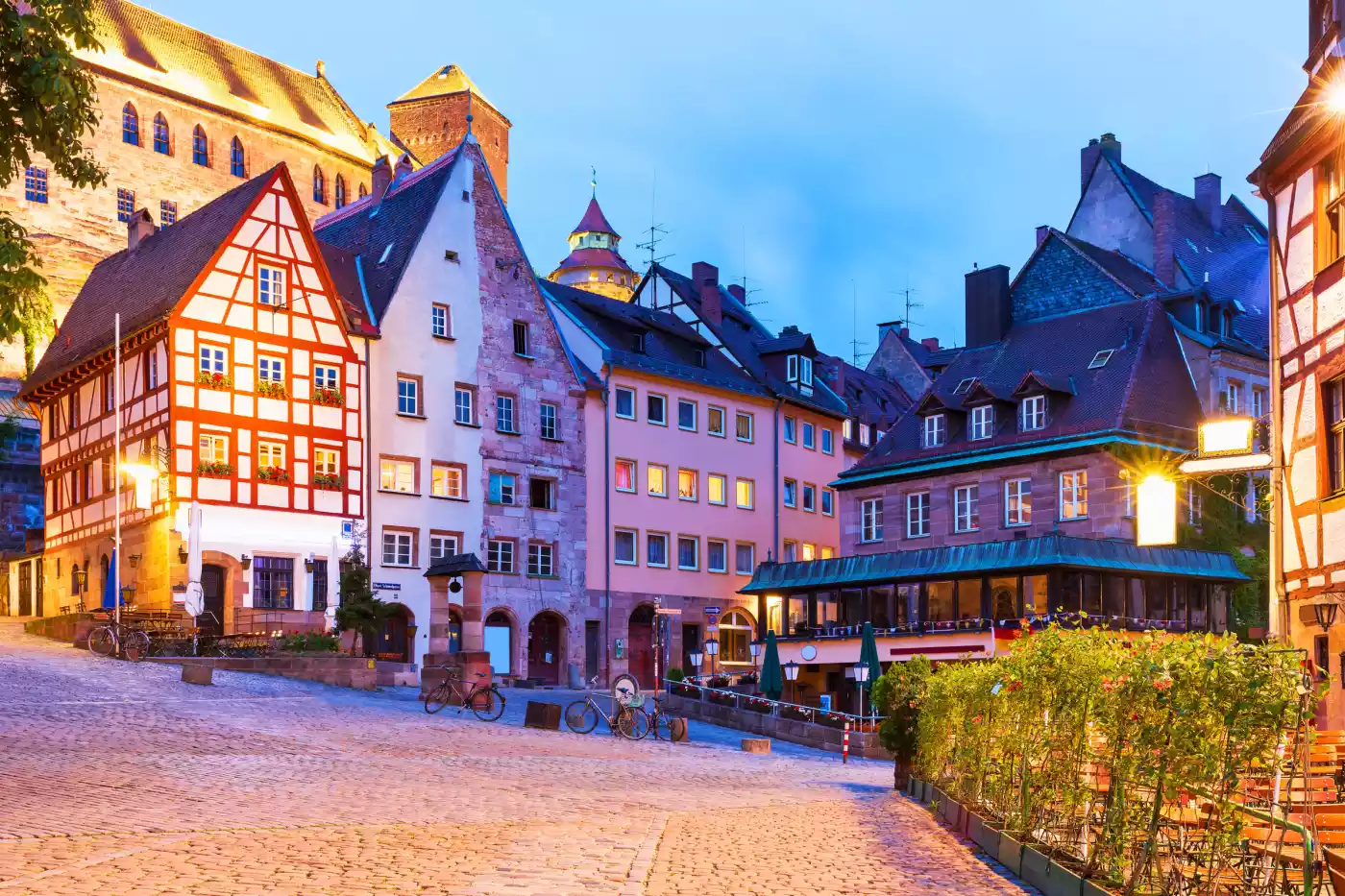
Nuremberg’s medieval walls and castle contrast its WWII history, like the Documentation Center at the Nazi rally grounds. I loved wandering the Christmas market, sipping glühwein amid twinkling lights. It’s a city that honors its past while embracing a vibrant present. The bratwurst here is a must-try.
Nuremberg’s Key Attractions
- Nuremberg Castle: A fortress with panoramic city views.
- Hauptmarkt: Home to the famous Christkindlesmarkt.
- Documentation Center: A sobering look at Nazi history.
For history buffs, guided tours via Civitatis offer deep insights. Nuremberg balances festivity with reflection.
8. Leipzig: The Cultural Underdog
Leipzig’s music legacy—think Bach and Mendelssohn—pairs with a thriving arts scene. I caught a street performance in the old town and was blown away by the city’s creative pulse. Its bookshops and coffeehouses give it a bohemian edge. Leipzig feels like Berlin’s cooler, less chaotic cousin.
Leipzig’s Must-Visit Spots
- St. Thomas Church: Where Bach composed his masterpieces.
- Spinnerei: An art hub in a former cotton mill.
- Auerbachs Keller: A historic restaurant tied to Goethe’s Faust.
Leipzig’s affordability makes it a budget-friendly gem. Check TripAdvisor for local art events.
9. Frankfurt: The Financial Hub
Frankfurt’s skyline sparkles with skyscrapers, but its old town, Römerberg, oozes charm. I savored apfelwein (apple wine) at a riverside tavern, watching boats glide by. It’s a business hub with a surprising cultural depth, from museums to opera. Frankfurt is Germany’s gateway with heart.
Frankfurt’s Top Experiences
- Römerberg: A picturesque square with half-timbered houses.
- Städel Museum: Art spanning centuries, from Rembrandt to Monet.
- Main Tower: Sky-high views of the city’s skyline.
For business travelers, Frankfurt’s airport and train connections are unbeatable. Book hotels via Expedia for deals.
10. Rothenburg ob der Tauber: The Fairytale Town
Rothenburg feels like a Disney set, with medieval walls and colorful houses. I walked the town’s ramparts at sunrise, imagining knights and merchants of old. Its Christmas shops are open year-round, adding whimsy. This tiny town is Germany’s fairytale dream come true.
Rothenburg’s Highlights
- Plönlein: The iconic fork-in-the-road photo spot.
- Medieval Crime Museum: A quirky dive into justice history.
- Town Wall Walk: A 2-mile loop with stunning views.
Stay in a historic inn for the full experience—check Hotels.com. Rothenburg is a day trip from Munich or Nuremberg.
Comparing Germany’s Top Cities
Each city offers a distinct vibe, from Berlin’s urban edge to Rothenburg’s storybook charm. Here’s a quick comparison to help you choose.
| City | Vibe | Top Attraction | Best For |
|---|---|---|---|
| Berlin | Edgy, modern | Brandenburg Gate | Nightlife, history |
| Munich | Festive, cultural | Oktoberfest | Beer lovers, tradition |
| Hamburg | Maritime, cool | Elbphilharmonie | Music, waterfront |
| Cologne | Spiritual, lively | Cologne Cathedral | Festivals, art |
| Dresden | Baroque, elegant | Frauenkirche | Culture, history |
| Heidelberg | Romantic, cozy | Heidelberg Castle | Couples, history |
| Nuremberg | Medieval, reflective | Nuremberg Castle | Christmas markets |
| Leipzig | Artistic, affordable | Spinnerei | Music, budget travel |
| Frankfurt | Modern, historic | Römerberg | Business, culture |
| Rothenburg | Fairytale, quaint | Plönlein | Photography, charm |
Pros and Cons of Visiting Germany’s Cities
Germany’s cities are diverse, but each has trade-offs. Here’s a snapshot to guide your planning.
Pros:
- Rich history and culture, from castles to cutting-edge art.
- Efficient public transport—trains like ICE make city-hopping easy.
- Vibrant food scenes, from street eats to Michelin-starred dining.
- Seasonal events like Christmas markets and Oktoberfest add magic.
Cons:
- Popular cities like Berlin and Munich can be crowded in peak seasons.
- Language barriers exist in smaller cities like Rothenburg.
- Costs vary—Munich’s hotels spike during Oktoberfest.
- Some historical sites require guided tours for full context.
People Also Ask: Common Questions About Germany’s Cities
Based on real Google searches, here’s what travelers want to know.
What is the most beautiful city in Germany?
Heidelberg and Rothenburg often top the list for their fairytale aesthetics, but Dresden’s baroque elegance is a close contender. Beauty depends on your vibe—urban or quaint.
Which German city is best for history buffs?
Berlin and Nuremberg stand out for their deep historical layers, from WWII sites to medieval castles. Guided tours enhance the experience.
What’s the best city for budget travelers?
Leipzig offers affordable stays and dining, with free attractions like parks and street art. It’s less touristy than Berlin or Munich.
Are German cities walkable?
Most, like Cologne and Heidelberg, have compact, pedestrian-friendly old towns. Berlin and Hamburg require public transport for sprawling areas.
Where to Book Your German Adventure
For flights, use Skyscanner to compare deals to Berlin, Munich, or Frankfurt. For trains between cities, Deutsche Bahn is reliable. Book accommodations on Booking.com or Expedia for competitive rates, especially in smaller cities like Rothenburg.
Best Tools for Planning Your Trip
- Google Maps: Navigate cities and public transport with ease.
- Rome2Rio: Find the best routes between cities, from trains to buses.
- TripAdvisor: Check real-time reviews for attractions and restaurants.
- Viator/GetYourGuide: Book guided tours for historical sites or festivals.
Travel insurance from Allianz adds peace of mind. Download offline maps for smaller towns with spotty Wi-Fi.
FAQ
Which German city is best for first-time visitors?
Berlin’s mix of history, culture, and nightlife makes it ideal for newcomers, with easy access to day trips like Potsdam.
How many days should I spend in each city?
Plan 2–3 days for Berlin and Munich, 1–2 for smaller cities like Heidelberg or Rothenburg. Adjust based on your pace and interests.
Are German cities safe for solo travelers?
Yes, cities like Cologne and Leipzig are welcoming, with reliable public transport and low crime rates. Stick to well-lit areas at night.
What’s the best time to visit Germany’s cities?
Spring (April–May) and fall (September–October) offer mild weather and fewer crowds. Winter is great for Christmas markets, especially in Nuremberg.
Can I visit multiple cities in one trip?
Absolutely—Germany’s train network connects Berlin, Munich, and Hamburg in hours. Plan a 7–10-day itinerary for 3–4 cities.
Germany’s cities are a tapestry of stories, from Berlin’s rebellious heart to Rothenburg’s medieval magic. Whether you’re chasing history, culture, or just a damn good beer, these destinations deliver. I’d love to hear your travel tales—drop a comment or check our guides on Germany’s hidden gems or Oktoberfest tips. Prost to your next adventure!
(Word count: 2,612)